Professional Roofing Service Supporting Durable Architecture and Building Performance
A high-quality roofing service is essential for ensuring the safety, performance, and durability of all types of buildings, from residential homes to industrial complexes. The roof functions as a protective shield against rain, snow, wind, sunlight, and environmental pollutants. When roofs are designed, installed, and maintained by trained professionals, buildings experience fewer structural failures, reduced maintenance costs, improved energy efficiency, and enhanced long-term value. Within the first hundred words it is vital to emphasize that a roofing service contributes far more than aesthetic enhancements; it also influences indoor comfort levels, moisture regulation, insulation efficiency, and fire resistance ratings. Property owners who invest in specialized roofing expertise ultimately reduce the likelihood of expensive future repairs and insurance claims while maximizing the operational lifespan of their building envelope.
The Advanced Role of Roofing in Modern Construction
Modern construction standards acknowledge roofing as a complex building system rather than a cosmetic exterior layer. Roof assemblies integrate multiple materials and layers to achieve weather resistance, load management, thermal protection, and environmental performance. The choice of materials, such as asphalt shingles, standing seam metal, clay tiles, concrete tiles, commercial membranes, or synthetic shingles, influences both longevity and architectural character. Roofing components also incorporate underlayment layers, ventilation openings, insulation panels, vapor barriers, and flashing elements to maintain energy performance and water resistance. A professional roofing service accounts for all these variables to deliver a roof that not only looks suitable from the ground but also performs reliably under real-world stress conditions.
Climate and Environmental Factors Affecting Roof Design
Different climate zones present unique challenges that influence roofing system selection. In regions with heavy rainfall or high humidity, roofs must emphasize moisture control and mold resistance. Hot climates require thermal performance features such as insulation layers and reflective coatings to minimize heat absorption. Coastal areas demand corrosion-resistant materials because saltwater exposure accelerates metal degradation. Snow-prone regions require steeper roof slopes and reinforced structural components to manage extensive snow loads. A competent roofing service analyzes the local environmental context before recommending specific materials or installation methods. This ensures that roofing systems consistently meet or exceed performance expectations regardless of geographic or weather-related challenges.
Roofing Material Science and Longevity
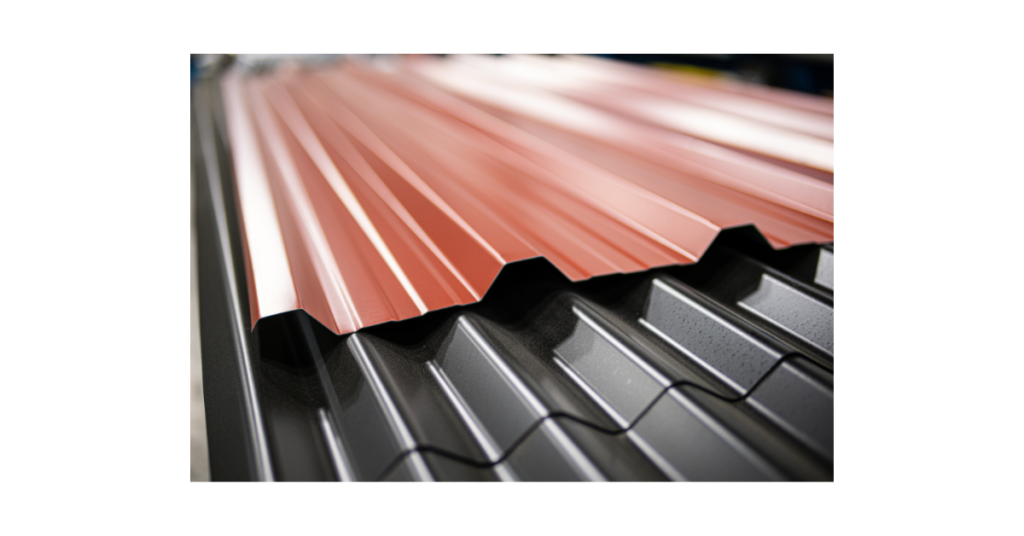
Roofing materials are engineered to tolerate decades of exposure to ultraviolet radiation, thermal cycling, precipitation, biological growth, and mechanical impact. Asphalt shingles rely on granule coatings that protect underlying layers from UV degradation. Metal roofing systems are often treated with specialized coatings that prevent rust and increase solar reflectance. Tiles and slate roofing products exhibit natural fire resistance and high durability but require strong structural support. Commercial membranes made from thermoplastics, rubber, or bitumen are heat-welded or chemically bonded to create waterproof surfaces capable of spanning large areas. A roofing service evaluates tensile strength, water absorption rate, thermal expansion behavior, and fastening compatibility before installing any material.
Understanding the Importance of Flashing and Sealing
Flashing and sealants create watertight transitions at vulnerable junctions such as chimneys, skylights, ventilation ducts, roof valleys, and vertical wall intersections. Without properly installed flashing, even premium roofing materials can fail prematurely due to localized water intrusion. Metal, rubberized, and composite flashing systems are selected based on roofing type and climate conditions. Sealants further reinforce these transitions and prevent capillary water movement into internal structures. Trained roofing professionals conduct detailed inspections to verify that flashing components remain intact over time, making flashing installation a critical component of any roofing service.
Residential Roofing Service Tailored to Home Needs
Homeowners require roofing systems that balance cost, aesthetics, environmental performance, and maintenance commitments. Asphalt shingles remain a dominant choice due to affordability and compatibility with diverse architectural styles. However, metal roofing, synthetic composites, and tile systems have gained popularity among energy-conscious and long-term-oriented homeowners. Before installation, a residential roofing service will examine decking conditions, attic ventilation pathways, insulation depth, and previous moisture exposure. Repairing underlying defects ensures the new roofing system adheres securely and performs reliably. When installed correctly, residential roofing protects attic spaces from condensation, prevents ice dam formation, and reduces long-term deterioration of fascia boards, siding, and interior finishes.
Residential Roofing Issues and Prevention Strategies
Common residential roofing issues include shingle cracking, granule loss, biological growth, inadequate ventilation, and clogged guttering systems. Wind storms can loosen shingles, snow can cause ice dams, and warm interior air can condense within attics if ventilation is poor. Early intervention dramatically reduces repair costs. Preventive strategies include annual roof inspections, debris removal, moss and algae treatment, gutter maintenance, flashing reinforcement, and attic airflow monitoring. A specialized roofing service often offers maintenance packages that allow homeowners to preserve warranty coverage and increase roof lifespan without managing inspections independently.
Commercial Roofing Service for Industrial and Institutional Facilities
Commercial and industrial facilities require roofing systems engineered for heavy equipment loads, large drainage areas, and operational reliability. Unlike pitched residential roofs, commercial buildings often utilize low-slope or flat roofing designs, paired with waterproof membranes that prevent pooling and leakage. Popular commercial roofing systems include EPDM rubber membranes, PVC thermoplastics, TPO membranes, modified bitumen, and built-up roofing systems. Choosing the correct system requires analyzing foot traffic patterns, HVAC placement, fire resistance requirements, insulation ratings, and drainage performance. Facility managers rely on a professional roofing service to minimize operational downtime, protect inventory, and maintain compliance with building insurance standards.
Sustainability and Energy Management in Commercial Roofing
Energy-efficient roofing systems can significantly reduce cooling costs and decrease environmental impact. Reflective membranes, cool roof coatings, and vegetated green roofs mitigate heat absorption and reduce greenhouse gas emissions associated with air conditioning usage. Vegetated roofs also improve stormwater management and contribute to urban biodiversity. Some building owners integrate solar energy systems directly onto rooftop surfaces to generate renewable electricity. A forward-looking roofing service assists commercial clients in evaluating long-term energy savings, environmental certifications, and potential tax incentives associated with sustainable roofing models. This strategic approach aligns roofing investments with broader organizational sustainability goals.
The Roofing Project Workflow from Start to Finish
Quality roofing projects follow a structured approach that emphasizes clarity, safety, and reliable craftsmanship. The process typically begins with an on-site assessment where contractors examine existing roofing conditions, structural components, ventilation systems, and drainage pathways. Moisture meters or infrared scanning may be used to detect hidden leaks or insulation gaps. After data collection, clients receive documented proposals outlining material options, labor scope, warranty terms, and scheduling details. During installation, roofing professionals remove damaged or outdated materials, prepare the substrate, install underlayment layers, secure roofing materials, incorporate ridge and soffit ventilation, apply flashing, and manage site cleanup. The final inspection ensures compliance with building codes and manufacturer specifications. A trusted roofing service communicates with clients throughout these phases to ensure transparency and satisfaction.
Safety and Legal Compliance during Roofing Operations
Roofing demands rigorous attention to safety due to elevation work, heavy materials, and sharp tools. Professionals utilize harness systems, safety rails, weather monitoring, and proper footwear to mitigate risk. In commercial environments, projects may require additional scaffolding, fire safety measures, and compliance with occupational safety regulations. Roofing materials must meet building fire codes, wind uplift standards, and insulation requirements to ensure legal compliance. Insurance and licensing protect clients from liability during the installation process. In this manner, a certified roofing service provides clients with both safety assurance and documented legal compliance.
Financial Planning and ROI for Roofing Investments
Roofing investments require careful financial planning. Costs depend on roof dimensions, slope complexity, material selection, local climate, disposal needs, and labor market conditions. Metal or tile roofing materials demand higher upfront expenditures but provide exceptional durability and reduced maintenance costs. Membrane systems for commercial buildings also vary widely in cost depending on thickness, reinforcement, and installation methods. While initial price is important, long-term return on investment often proves more meaningful. A reliable roofing service helps clients compare material longevity, warranty coverage, energy savings, and projected replacement cycles to make informed investment decisions. This minimizes surprise expenses and enhances building value.
Typical Lifespans of Roofing Systems under Proper Care
Different roofing materials exhibit distinctive lifespan ranges when properly installed and maintained:
- Basic asphalt shingles: 15 to 25 years
- Architectural shingles: 25 to 35 years
- Metal roofing: 40 to 70 years
- Clay or concrete tiles: 50 to 100 years
- Polymer composite shingles: 30 to 50 years
- Built-up commercial roofing: 20 to 30 years
- EPDM membrane: 20 to 30 years
- PVC or TPO membrane: 20 to 35 years
Values vary based on climate, installation quality, ventilation performance, and maintenance frequency. Choosing an experienced roofing service increases the likelihood that roofing materials reach the higher end of their expected lifespan.
How to Select a Qualified Roofing Provider
Choosing the wrong contractor can lead to premature leaks, structural issues, legal disputes, and warranty voids. To avoid such outcomes, clients should verify licensing, insurance status, professional certifications, and manufacturer partnerships. Reviewing customer testimonials, portfolio photos, and documented references provides further validation. Written contracts should outline materials, costs, warranties, and scheduling expectations without ambiguity. Responsive communication is also vital during complex projects. Engaging a reputable Roofing service strengthens client confidence and ensures superior workmanship for both residential and commercial projects.
The Importance of Routine Roofing Maintenance
Maintenance activities serve as the foundation for extending roofing lifespan and preventing emergency repairs. Routine tasks include clearing debris, inspecting flashing, removing moss or algae, checking gutter functionality, tightening exposed fasteners, and verifying attic ventilation. Seasonal roof inspections after heavy storms or freeze cycles help identify minor defects before they escalate into structural failures. Many building owners subscribe to maintenance programs that provide scheduled inspections and prioritized repair services. Partnering with a professional Roofing service for ongoing maintenance allows property owners to maintain warranty coverage, reduce long-term repair costs, and preserve building integrity for decades.
The Lasting Value of a Professional Roofing Service
Roofing should be recognized as a long-term investment in safety, energy performance, and property value. A properly installed and well-maintained roof can withstand decades of weather exposure without compromising indoor comfort or structural stability. Real estate professionals consistently highlight roof condition during property evaluations because buyers and facility managers prioritize buildings that require minimal near-term repairs. When roofing is treated as a strategic asset rather than a reactive expense, property owners experience reduced operating costs, fewer insurance claims, improved sustainability performance, and greater peace of mind. This enduring value underscores why selecting a qualified roofing service remains one of the most important decisions in modern building ownership.